
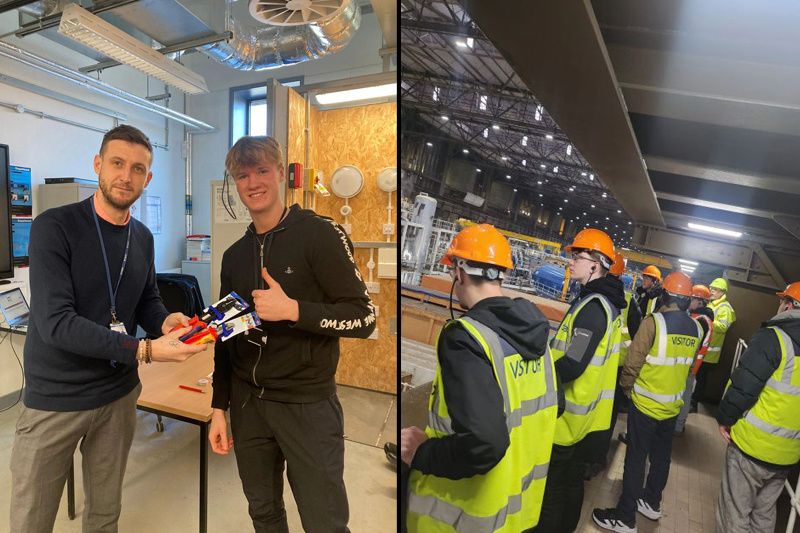
Having previously profiled Matthew Davies, Teacher and Lead in Electrical Installation at Tameside College, and his passion for interactive teaching, we revisit the subject a year later to find out whether this really is the spark that can switch on a new generation of electricians.
If you’ve been in this trade for long enough, you’ll know that nothing stands still for long, whether that’s updated regulations, new technology or rising expectations from clients – it’s shifting all the time. And inside the classrooms where tomorrow’s electricians are being trained, things are evolving just as quickly.
At the beginning of last year, we had the privilege of catching up with Matthew Davies to discover more about why he’s been pushing interactive, hands-on learning as a key part of electrical training.
Since then, things have only stepped up a gear. Digital tools, simulated environments, Apps, competitive quizzes, VR experiments – if it’s interactive, odds are Matthew’s learners are using it.
So, what’s changed, what’s working, and where is interactive learning headed next?
From being taught to actually remembering things
One of the biggest questions around interactive learning is whether it genuinely improves knowledge retention, or whether it’s just a flashy add-on to appeal to a younger generation.
According to Matthew, the difference is clear: “In my experience, engagement in the main is greater with interactive methods. Put simply, it allows learners to retain knowledge better because it becomes a memorable experience as opposed to just being taught.”
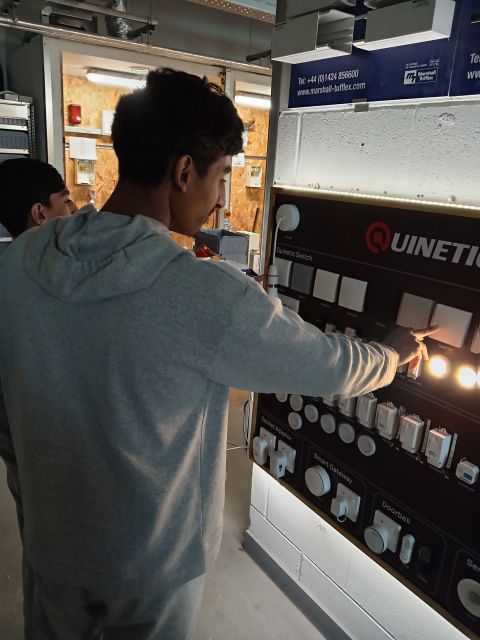
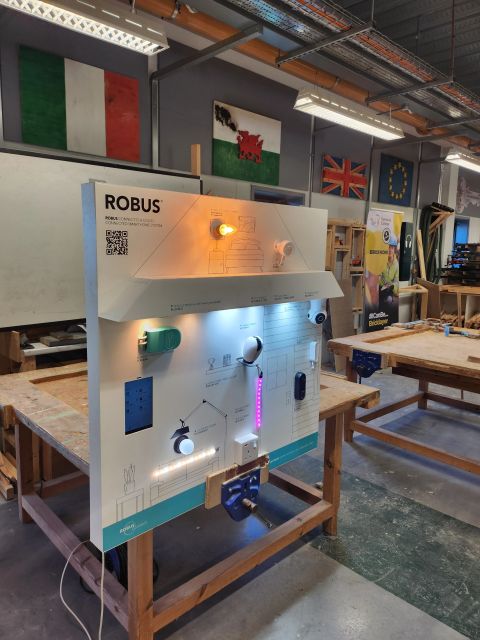
It’s something most sparks will recognise from their own careers. The first time you successfully completed a tricky installation or correctly implemented a safe-isolation procedure, it’s unlikely you were sitting quietly reading from a textbook. Instead, you were hands-on, figuring things out. That’s the experience Matthew wants his students to have – even before they step onto site.
And it turns out a little competition really does light a fire.
“The interactive knowledge tests, for example, will often bring out a nice competitive streak in the group, meaning learners try harder to retain knowledge in order to win!” he explains.
Tools that make a real difference
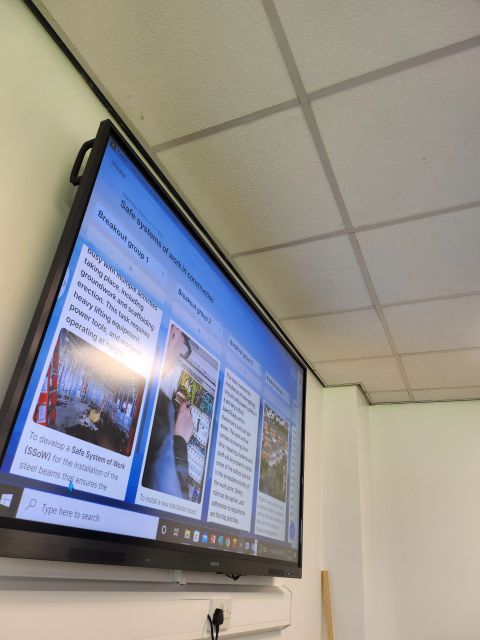
Matthew’s department uses everything from immersive digital spaces to Apps like Canva, Padlet, Quizlet and, of course, Tradefox – the safe-isolation simulator that was crowned as a PE Top Product award winner last year.
The secret, he says, is that all these tools can be adapted for different levels without needing to reinvent the wheel each time: “You can easily tailor questions to different levels without having to start everything from scratch.”
He continues: “Interactivity allows learners to virtually remove themselves from a purely classroom base and simulate being out on-site. This peaks their interest because they put themselves in that place.”
It’s a simple idea: if you can safely “trial- run” a task dozens of times, you’re far more likely to make a success of it when it really matters on-site. And sometimes, it leads to those proper “lightbulb moments” teachers live for.
Matthew gives us one example: “When we have the learners working with the Tradefox safe isolation simulator you can see the penny drop as they’re using it, helping them to understand and master the process.
“This then allows learners to move onto the next stage of the topic and evaluate the principles and processes on why it is important and the consequences of not following safe isolation procedures,” he says.
Additionally, the Inspection and Testing App is another useful aid: “Learners can simulate various tests. You then see that when they physically undertake Inspection and Testing they have greater confidence and fluency.”
If you’ve ever mentored an apprentice who suddenly “gets it”, you’ll know exactly what Matthew is talking about!
A results business
One concern many sparks share is that digital tools might start replacing physical skills – and in a practical trade, that’s a no-go.
Matthew agrees entirely, stating: “I obviously believe nothing will replace the hands-on skills that are taught. The trick is using digital tools to enhance confidence – not replace the real thing.”
Whether you’re on board with this level of interactive teaching or not, it’s clear that the results – at least in Matthew’s case – speak for themselves. Earlier this year, his Level 3 group delivered an eye-catching achievement – around 26% above the national pass rate.
So how much of it comes down to interactive learning?
“I would like to believe quite a lot!” Matthew answers. “From talking to learners directly, I regularly receive positive feedback from using these tools. They’ll often tell me that it’s helped them to understand a topic better.”
For employers and apprentices alike, this raises a fair point: interactive learning isn’t just a gimmick. It’s producing job- ready electricians with a deeper grasp of the work they’ll be trusted to carry out.
Technology keeps moving, so will training
With 2026 and the next wave of electrical innovation ahead of us, Matthew isn’t slowing down. Tameside College is investing heavily in this direction, including immersive spaces that simulate full construction environments.
“I want to keep developing my interactive approach and explore more of the VR software and programmes that are out there,” he says.
“We have some fantastic resources available, so embedding these further into curriculum would be great.”
If VR can help learners safely explore fault-finding, unfamiliar installations, or even emergency situations without risk, it’s easy to see why Matthew wants more of it.
The new norm?
Ask around the trade, and opinions vary when it comes to interactivity. Some teachers are all-in, while others prefer more traditional methods. In Matthew’s case he believes we’re heading toward a blended future – and that teachers themselves will need to lead the way.
He says: “It’s evident that it will be up to us as teachers to drive innovation forward. It’s not about replacing spanners with screens – it’s about using both effectively to bring out the best in a new generation.
“For those who might be considering introducing interactivity into their teaching, I’d recommend that you use those resources at the right times, don’t become wholly dependent on them and, most importantly, allow learners to get used to, and embrace them.”
Find more industry features here