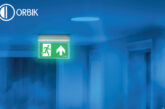

Giving directions is simple until you’re trying to explain to a stranger where to go and they don’t have a clue about your local references (the pub, your aunt’s old house, where the post office used to be…).
Now imagine giving directions to someone you’ll never even meet! That’s the challenge of emergency exit signs. The person requiring directions may not speak your language, they’re probably stressed, and time is of the essence. Therefore, absolute clarity is essential.
It’s a question that comes up time and again on site and in training rooms: which way should the arrow point on an emergency exit sign? The short answer is that UK law doesn’t spell out exact arrow directions, but it does expect signs to follow recognised standards. Under the Health and Safety (Safety Signs and Signals) Regulations 1996 and the Fire Safety Order 2005, signage must be clear, consistent, and in line with BS 5499-4 and ISO 7010.
Those standards define the well-known running man symbol and the four main arrow directions: up, down, left, and right. These show the direction of travel along the escape route – an up arrow means “straight ahead,” a down arrow means “downstairs” or “through the door below,” and left or right arrows mean just that. What about diagonal arrows? They’re allowed, but not a legal requirement. You can use them if they make the route clearer – for instance, where a corridor bends at an angle – but they shouldn’t replace the standard four.
The golden rule is clarity, consistency, and common sense. Stick with one clear logic throughout your building and avoid mixing arrow types. Get that right, and your emergency signage will do exactly what it’s there for – helping people get out safely when it matters most (no local knowledge required!).
John Ford | Technical Training Manager
View the full ROBUS emergency range here
Catch up on previous ‘Ask ROBUS’ articles here